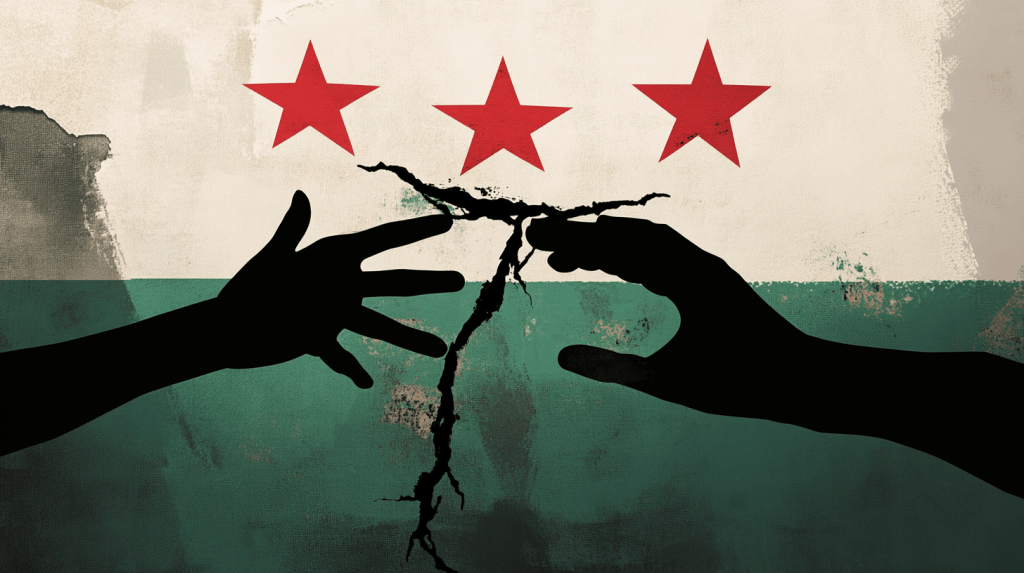
December 2024 – March 2025: Chronology of Persecution Against Alawites Following the Fall of Assad Regime
Regime Falls
POLITICAL TRANSITIONRebel forces led by HTS topple Bashar al-Assad’s government. Interim president Ahmed al-Sharaa (Julani) assumes authority. Alawite civilians remain in their homes, fearful of their fate under the new rulers. HTS promises protection to minorities, but some rebels chant slogans of revenge against “Assad’s sect.”
First Reprisals
TARGETED VIOLENCEIsolated reprisal killings of known regime collaborators begin. Several Alawite militiamen are found dead in Homs and Hama. Alawites report receiving threats. HTS leadership meets with Christian and Druze figures but no prominent Alawite leaders, showing the deepening distrust.
Shrine Desecration
CULTURAL ATTACKSA video circulates showing an Alawite shrine in Aleppo burning. The footage sparks outrage among Alawites nationwide. Protests erupt in coastal towns. In Latakia, a rally of ~5,000 Alawites turns violent when gunmen fire to disperse crowds, killing a young Alawite boy. Government imposes a 2-day curfew in Alawite areas.
First Major Crackdown
MILITARY OPERATIONSEx-regime militiamen ambush an HTS patrol in Tartous, killing 14 policemen. In response, HTS deploys its “Red Bands” units to sweep through Alawite villages. Dozens are killed or arrested in raids. Locals report house searches, property damage, and summary executions, marking the first large-scale violence against Alawite communities.
Urban Violence
SECTARIAN CLASHESClashes break out in Homs between Alawite residents and security forces. In Damascus, homes in Alawite suburbs are vandalized and families assaulted. Sheikh Ali Dareer tells Reuters that assailants beat people “on the basis of their religious identity,” pulling travelers off buses. HTS bans sectarian rhetoric in media.
“Cleansing” Operations
TARGETED VIOLENCEIn Tasnin village, sectarian revenge killings occur with several Alawite residents murdered. An HTS-linked battalion raids four Alawite villages along the Tartous-Homs border, with reports of looting, beatings, and 21 villagers detained. By late January, monitors estimate several hundred Alawite civilians have been killed across western Syria.
Climate of Fear
SOCIAL OPPRESSIONA relative lull in large-scale attacks, but Alawites live in “constant fear” of reprisals. Community leaders report ongoing harassment at checkpoints and disappearances. Many Alawites who served in the army or police go into hiding. Public-sector employees (many Alawite) are laid off, and small labor protests are swiftly suppressed.
Coastal Massacres
MASS KILLINGSAn Alawite militia ambushes an HTS checkpoint in Latakia, triggering a brutal response. HTS floods forces into Latakia and Tartus provinces, carrying out mass executions of families and torching homes in Alawite villages.
Official Halt
GOVERNMENT RESPONSEInterim President Ahmed al-Sharaa declares an end to military operations, imposing curfews and deploying forces to prevent further attacks. He vows to hold accountable “anyone involved in the bloodshed of civilians.” The defense ministry admits “violations” occurred but blames “unorganized masses” of fighters. Most Alawite survivors have fled or are in hiding.
Aftermath
INTERNATIONAL REACTIONEvidence of atrocities continues to surface. Human Rights Watch decries “grave abuses on a staggering scale against predominantly Alawite Syrians.” President Sharaa launches an investigation committee. Dozens of fighters are arrested for disobeying orders.

 Syria SHOWS